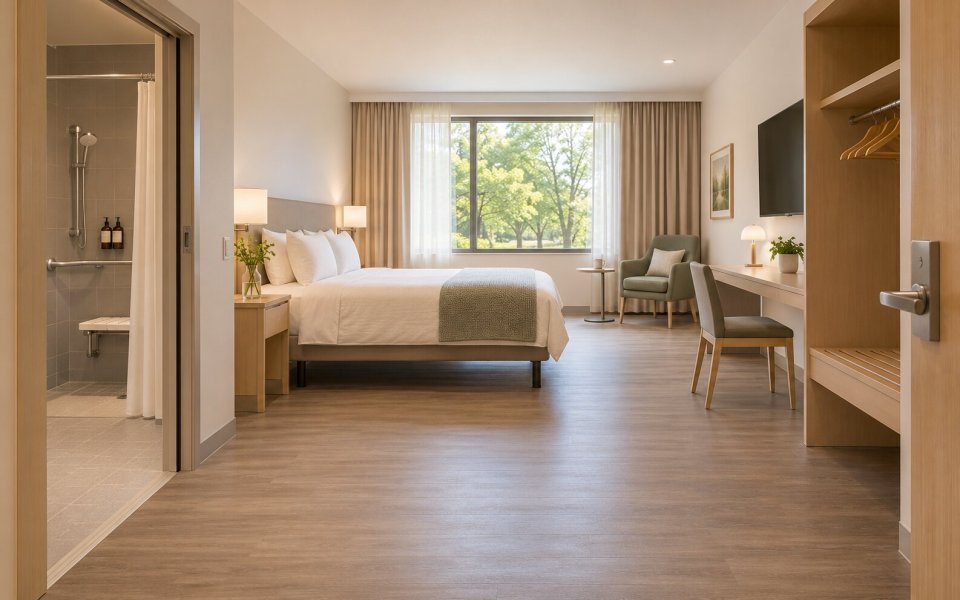
A traveller may choose accommodation for its proximity to vineyards, then discover that visits require booking, journeys take time or returning in the evening needs special arrangements. For the host, a good welcome starts with a simple distinction: what the property provides, what it recommends and what guests must book with a third party.
A sector bringing several professions together
Destination Vignobles took place in Cognac on 6 and 7 October 2026. In its report published on 8 October, Atout France records 170 French exhibitors and 161 international buyers from 43 countries. This professional event illustrates connections within the wine-tourism offer; its participants and business appointments are not accommodation bookings. Source: Atout France, 8 October 2026.
For an individual holiday property, the practical lesson is to pay attention to the connections between services. The following text proposes an approach to guest hospitality, without attributing these recommendations to the event or promising increased visitor numbers. It can suit a village house or an apartment used as a base for exploring several estates.
Offer a short, checked selection
An endless list of wineries is rarely as useful as three or four well-documented suggestions. For each one, include the official link, an indicative distance, booking arrangements and the date you last checked the details. Opening hours, tour languages and visitor arrangements may change: direct guests to the provider for confirmation.
Avoid wording that commits a third party, such as “a guaranteed visit on arrival”, unless an agreement provides for it. Also present activities without tastings: walks, heritage or learning about local skills, according to what is actually available. Visitors have different plans, and staying in a vineyard region does not imply drinking alcohol.
Make the journey as clear as the visit
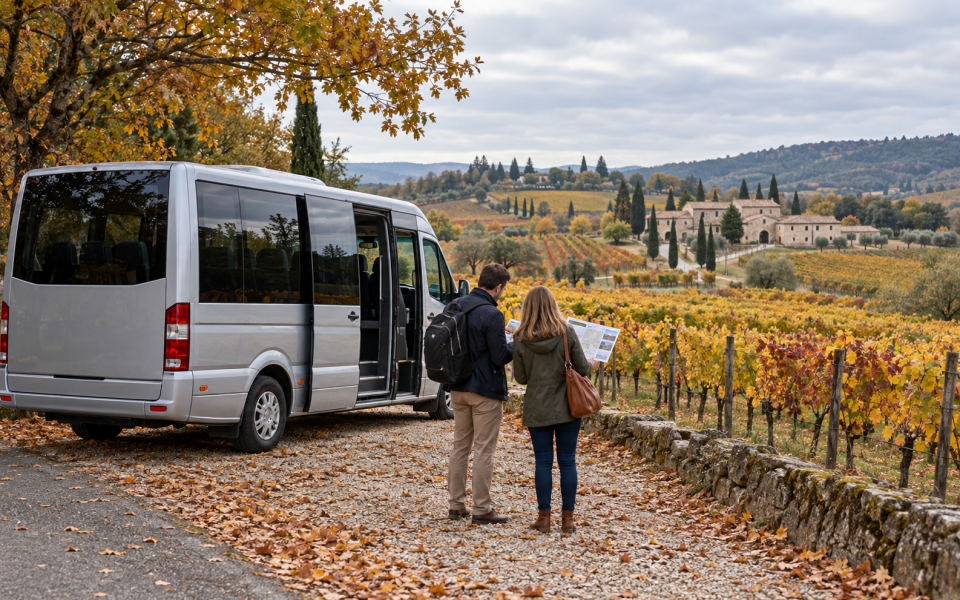
An activity accessible by car is not necessarily easy to reach without a vehicle. List the transport options you have actually identified, their booking requirements and details to confirm directly. Do not describe a seasonal shuttle as a permanent service or past availability as a guarantee for the next stay.
When tastings are planned, encourage guests to arrange their return in advance and choose an option that does not involve driving after consuming alcohol. Hosts can provide practical information without arranging transport themselves. If a service is sold or bundled with others, have the applicable framework checked before marketing it rather than improvising an all-inclusive package.
State clearly what is included
A welcome basket, a complimentary bottle, an introduction and a booked visit are four different services. The listing and arrival message should use the same terms. Specify quantities, any conditions and extra charges, where applicable, before guests discover them on site.
Prepare a reasonable alternative when something is unavailable, without implying it is always supplied. Keep useful information about food products and avoid unverified allergen claims. A welcome gesture should not become a vague promise that the team preparing the property has to resolve at the last minute.
Align hospitality with property preparation
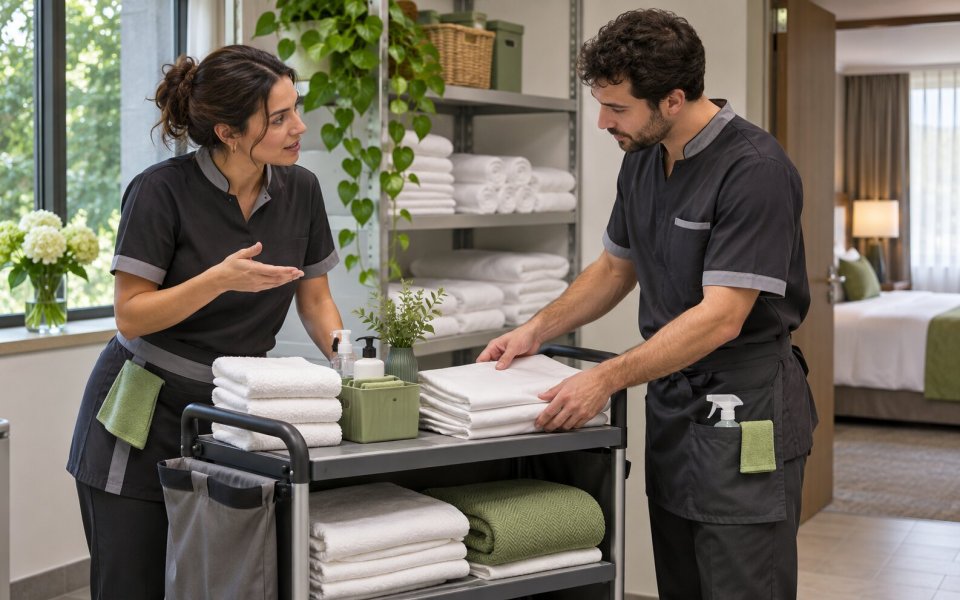
Turn the services actually selected into concrete instructions: where the information booklet goes, whether advertised suitable glasses are present, the planned product quantities and the placement of welcome items. Define who supplies consumables and how shortages should be reported. This avoids confusing cleaning, purchasing, delivery and activity planning.
For clients using StayClean, these details can accompany the cleaning they schedule themselves. Visitors in the region or a property booking do not automatically trigger a service. Any additional request needs a clear, agreed scope rather than being assumed included.
Test the journey before expanding the offer
Review the stay as a visitor would: arrival, first outing, return and departure. Look for information missing at each stage. Over several arrivals, record recurring questions and gaps between the presentation and available services, without retaining unnecessary personal data.
The aim can remain modest: reduce questions about transport and inclusions, then update information as it ages. A good local selection is built on regular checks and commitments limited to what can be delivered. The accommodation then becomes a dependable starting point for exploring the vineyards.